
The elements of UX provide a clear framework for designing digital products that feel intuitive, purposeful, and easy to use. By understanding how strategy, structure, and visual design work together, designers can create experiences that truly support user goals while delivering measurable business value. Mastering these principles is essential for building products that stand out in a competitive digital environment. This article by EZtek will explain the five elements of UX design and show why mastering them is essential for building successful digital products.
What are the elements of UX?
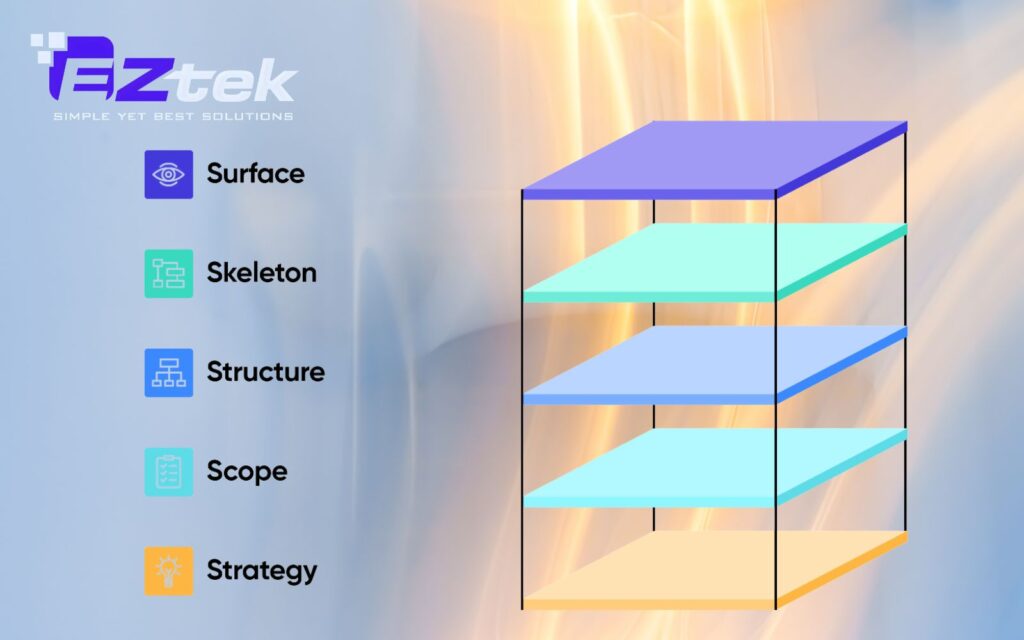
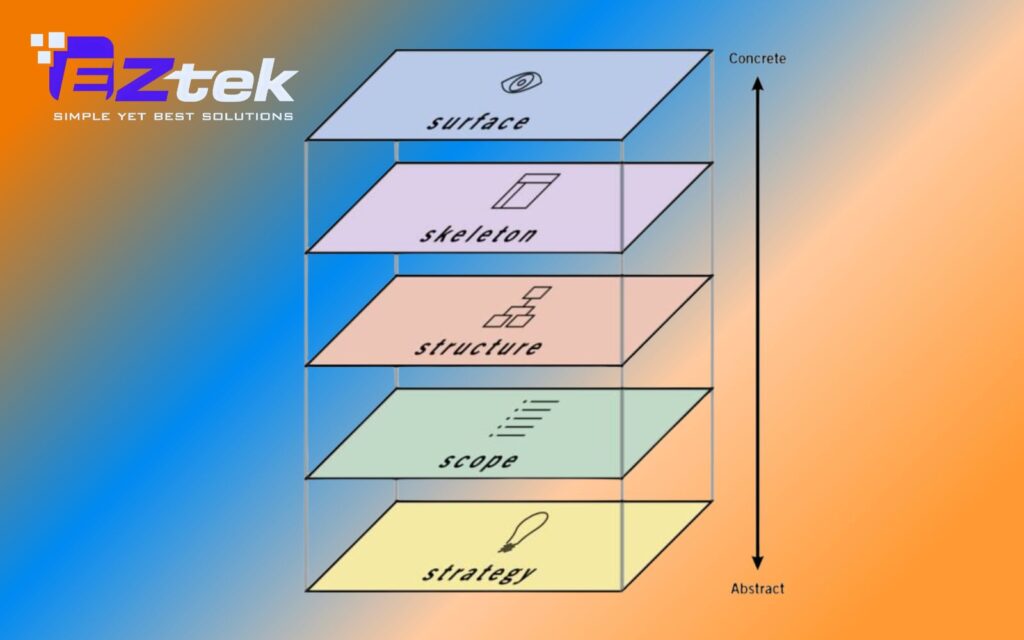
The elements of UX comprise a conceptual framework that breaks down the complex process of user experience into five distinct, interdependent layers. By understanding what are the elements of UX design, teams can move systematically from abstract business goals to a concrete, polished interface. This structured approach ensures that the 5 elements of UX design: Strategy, Scope, Structure, Skeleton, and Surface work together to create a seamless and intuitive digital product.
The 5 key elements of UX design
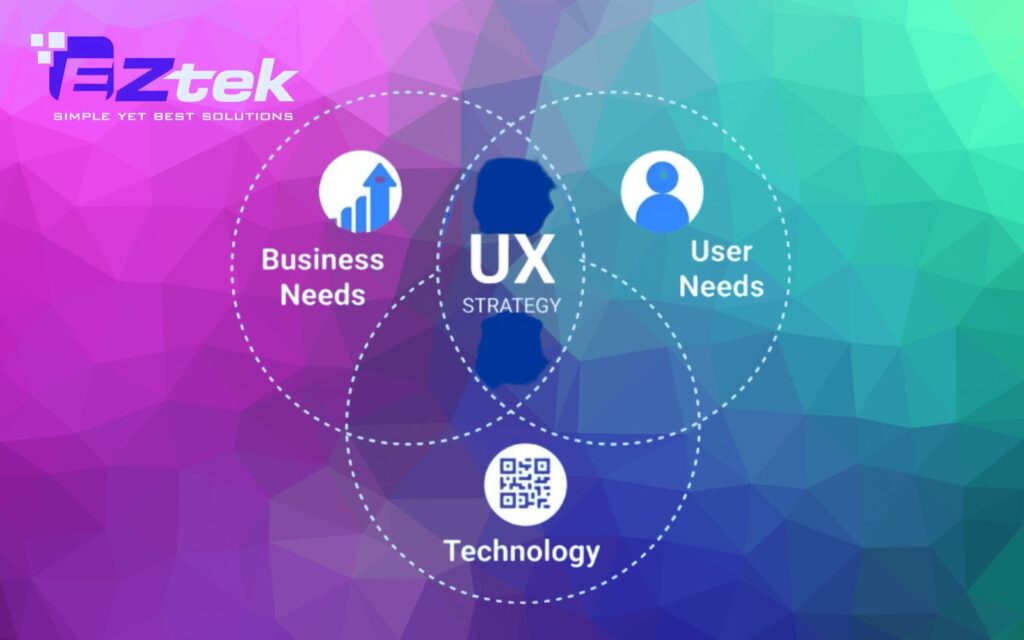
Strategy
The Strategy layer establishes the foundation of the entire experience. It focuses on defining what the product aims to achieve and why it should exist in the first place. At this stage, UX teams align business goals with real user needs uncovered through research, ensuring the product solves meaningful problems and delivers clear value. Without a solid strategy, the remaining elements of UX lack direction and purpose.
Scope
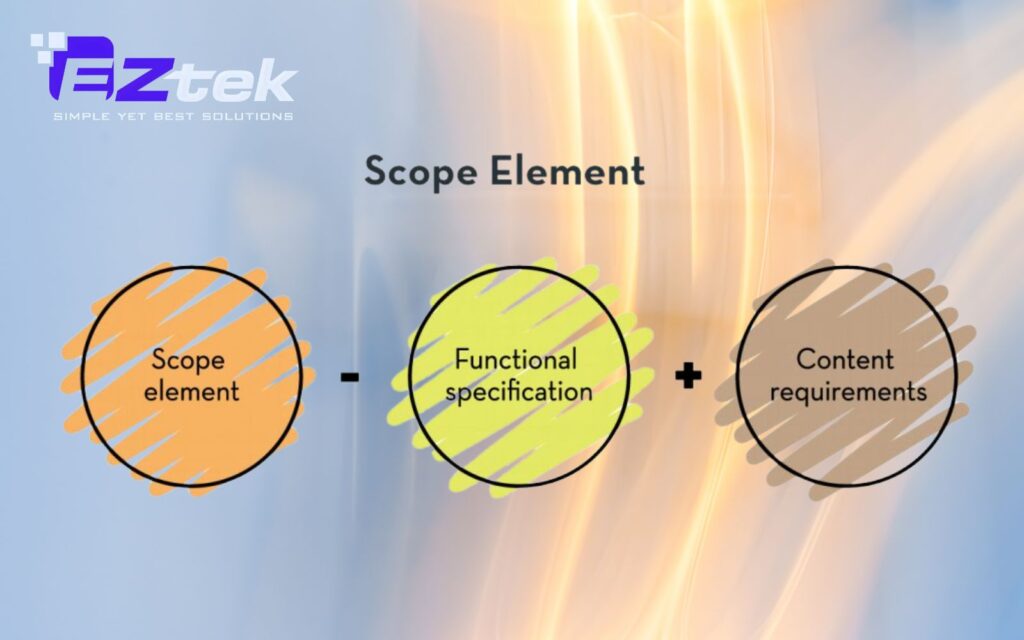
Once strategic goals are clear, the Scope layer determines what the product will actually include. This involves deciding on features, functions, and content that directly support the strategy. UX teams document functional requirements and content needs to create a shared understanding of what will be built. A well-defined scope keeps the 5 elements of UX design focused and prevents unnecessary complexity.
Structure
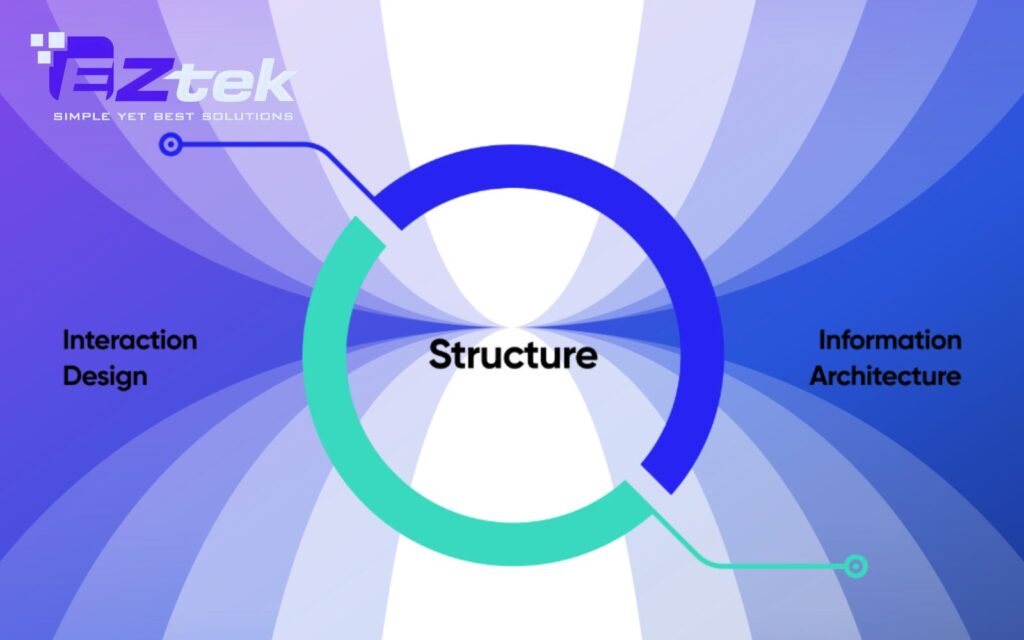
The Structure layer defines how the product works from a user’s perspective. It focuses on interaction design and information architecture, shaping how users navigate the product and how information is organized. User flows, system responses, and content hierarchy are planned here to ensure intuitive movement through the experience. This layer plays a critical role in answering what are the elements of UX design that support usability and clarity.
Skeleton
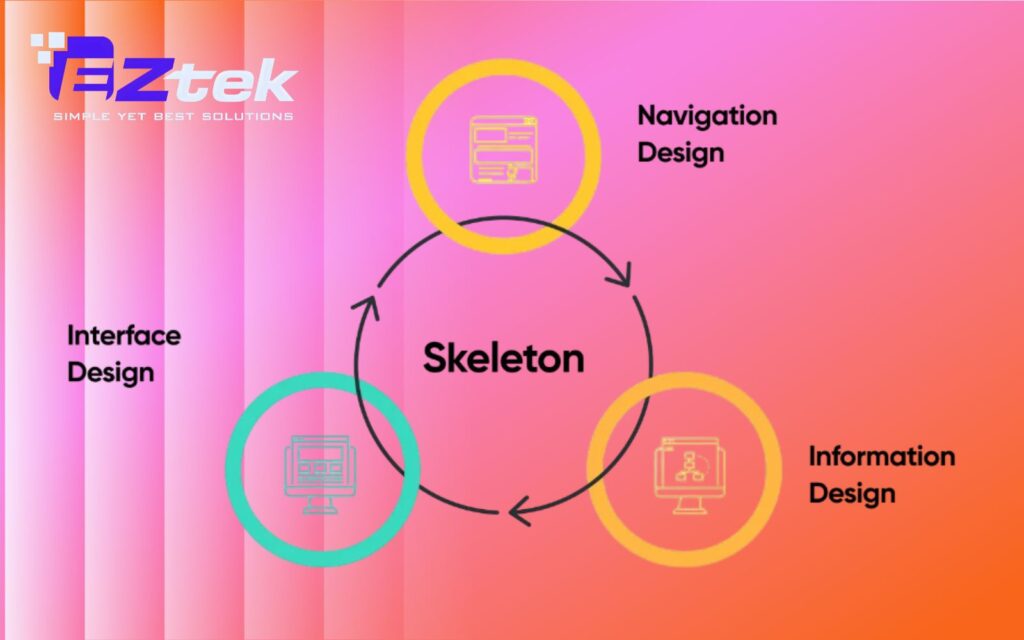
The Skeleton layer translates structure into layout. UX designers decide where interface elements such as navigation, buttons, images, and text will appear on each screen. Through wireframes and prototypes, this layer ensures users can easily identify interactive elements and access information efficiently. It acts as the bridge between conceptual planning and visual execution within the elements of UX.
Surface
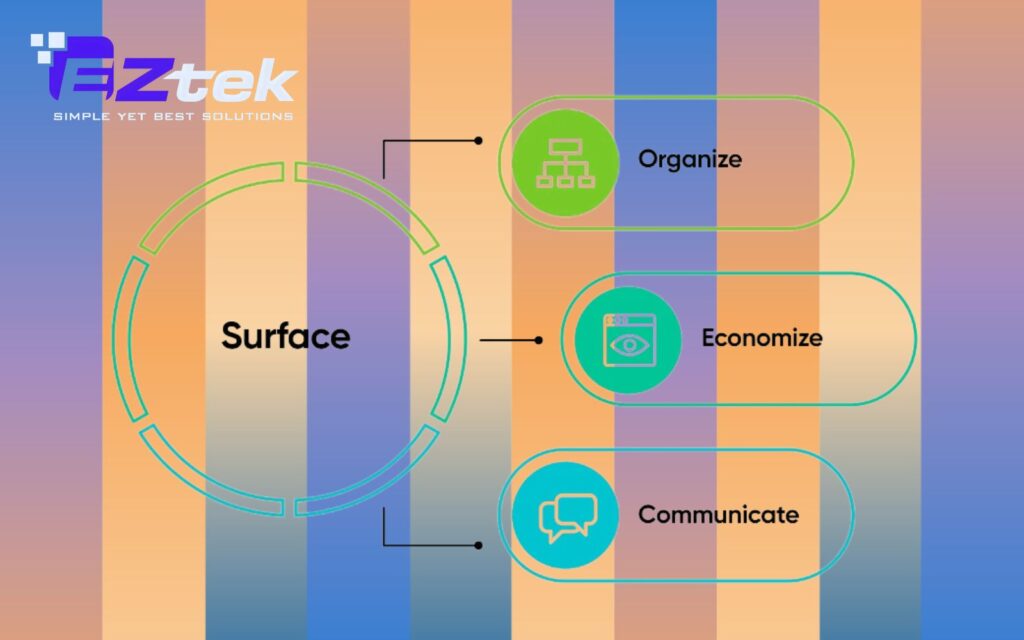
The final layer of the five elements of UX design is the Surface. This is the sensory layer where visual design comes into play. It involves choosing color palettes, typography, and layouts that not only look professional but also enhance usability. In the elements of UX in the age of AI, the surface must clearly communicate complex data through clean, simple visuals, ensuring the most critical information, like real-time charger availability, stands out to the user instantly.
Why these UX Design Elements are crucial for success?
According to established UX principles, success comes from treating UX as a holistic system where every decision supports usability, clarity, and long-term value.
- Inclusive Design and User Accessibility: The elements of UX encourage designers to consider diverse abilities and contexts early, resulting in experiences that are accessible, inclusive, and usable for a wider audience.
- Function Drives Form: UX design prioritizes solving user problems first, ensuring that visual decisions support usability and reinforce the purpose behind the elements of UX design.
- Holistic Approach to Design Integration: Each UX layer builds on the previous one, creating a cohesive system where strategy, structure, and visuals work together seamlessly.
- Aligning Business Goals with User Needs: The elements of UX help balance organizational objectives with user expectations, leading to products that deliver value on both sides.
- Advantages of a Solid UX Foundation: A well-structured UX reduces development risks, improves user adoption, and supports long-term scalability – key factors in the elements of UX in the age of AI.
Why you should use EZtek Software’s UX/UI Design Services?
In a digital world where user expectations are constantly evolving, having a partner who understands the deep intricacies of the elements of UX is a game-changer. EZtek is a premier software development outsourcing company that specializes in creating high-performing, user-centric digital products. We don’t just focus on the “Surface”; we build your product’s foundation using the 5 elements of UX design to ensure long-term scalability and user satisfaction.

- Strategic Design Alignment: We deep-dive into your business vision to master the Strategy layer of the elements of UX design, ensuring your product meets both market demands and user goals.
- Cutting-Edge Innovation: We stay ahead of the curve by integrating the elements of UX in the age of AI, creating smarter, more intuitive interfaces that anticipate user needs.
- Expert Multi-Platform Design: Whether it’s web, mobile, or enterprise software, our team applies the five elements of UX design to provide a consistent and seamless experience across all devices.
- User-Centric Architecture: Our experts excel at defining what are the elements of UX that matter most to your audience, creating logical Structures and Skeletons that reduce friction and boost conversion.
- Full-Cycle Partnership: From the initial “Scope” definition to the final “Surface” polish, EZtek provides end-to-end support, ensuring the essential elements of successful UX design are present in every sprint.
Transform your product ideas into intuitive, user-centered designs with EZtek Software’s UX/UI services.
- Phone: 0918 655 003
- Mail: [email protected]
- Address: 2nd Floor, Halo Building, 60 Nui Thanh street, Tan Binh ward, HCMC, Vietnam
Understanding the elements of UX allows teams to design digital products with greater clarity, consistency, and purpose. When strategy, structure, and visual design are thoughtfully connected, user experiences become more intuitive and effective. A strong UX foundation ultimately supports long-term product success and sustainable business growth.