Many digital products feel frustrating to use because they lack a solid design methodologies architecture. Without a clear UX design methodology, projects often suffer through delays and poor user adoption. Mastering various types of design methodologies including traditional structures and modern iterative frameworks is the first step toward building successful products. Let’s dive into the core benefits of design methodologies and discuss how they streamline the creative process within modern software development with EZtek in the article below.
What is Design Methodology?
In UX/UI design, design methodologies are structured and repeatable approaches used to solve user-centered problems effectively. Rather than focusing only on visual appeal, these methodologies ensure the experience is intuitive, accessible, and aligned with real user needs.
Simply put, what are design methodologies? They are clear frameworks that guide UX teams through key stages such as discovery, ideation, prototyping, testing, and implementation. By following a defined UX design methodology, teams can make informed decisions instead of relying on assumptions.
The value of applying design methodologies in UX UI design lies in efficiency and clarity. A well-chosen methodology helps reduce guesswork, minimize wasted effort, and deliver products that are both functional and user-friendly.
At their core, effective design methodologies emphasize:
- User empathy through research and validation.
- Iterative problem-solving based on feedback.
- Collaboration across design, product, and development teams.
- Scalability as projects and teams grow.
5 types design methodologies in UX you should know
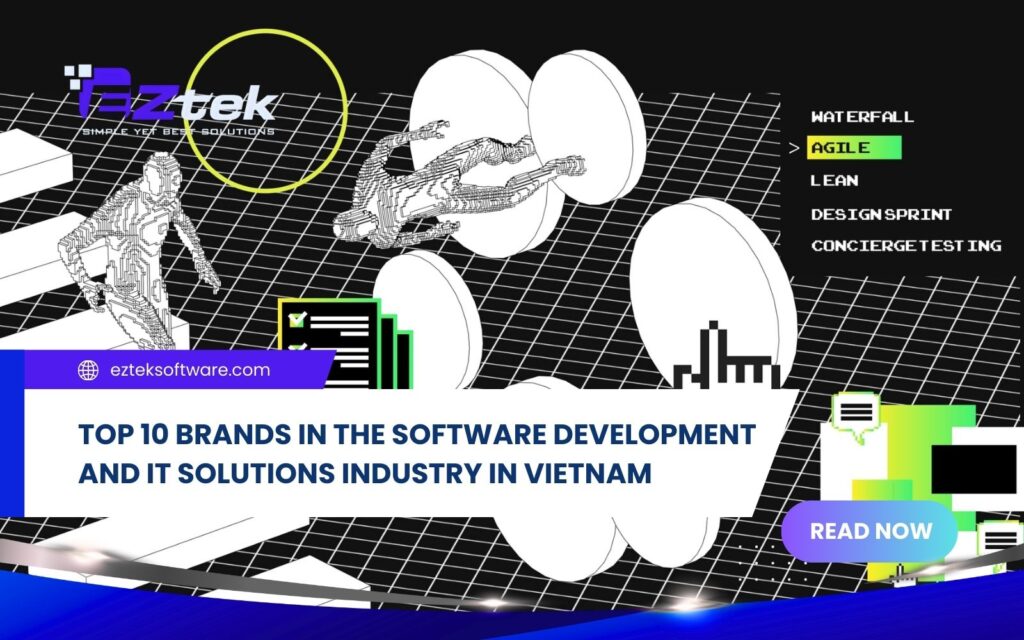
Different projects require different workflows. Depending on your project scope, timeline, and team structure, you might adopt one of these popular types design methodologies:
Waterfall
The Waterfall model is one of the most traditional design methodologies in software engineering. It operates on a linear, sequential basis where each phase must be fully completed before the next begins. Typically, the process starts with an exhaustive analysis, followed by design, development, and quality assurance.
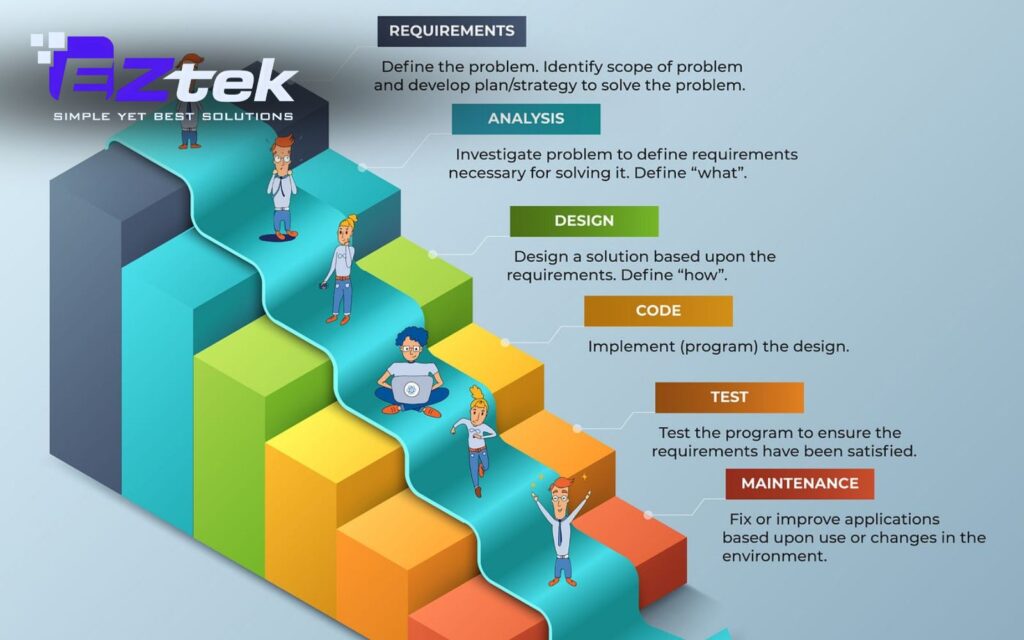
While this UX design methodology provides a highly structured roadmap with fixed scopes and clear documentation, it can be rigid. Because changes require revisiting previous stages, alterations late in the process often lead to significant budget increases and delayed launches. It is best suited for stable markets where requirements are unlikely to shift during production.
Agile
In contrast to the linear nature of Waterfall, Agile focuses on flexibility and iterative delivery. It is a prominent UX design methodology that breaks projects into small, manageable cycles known as sprints. This approach encourages self-organized, cross-functional teams to collaborate closely, significantly reducing heavy paperwork and speeding up decision-making.
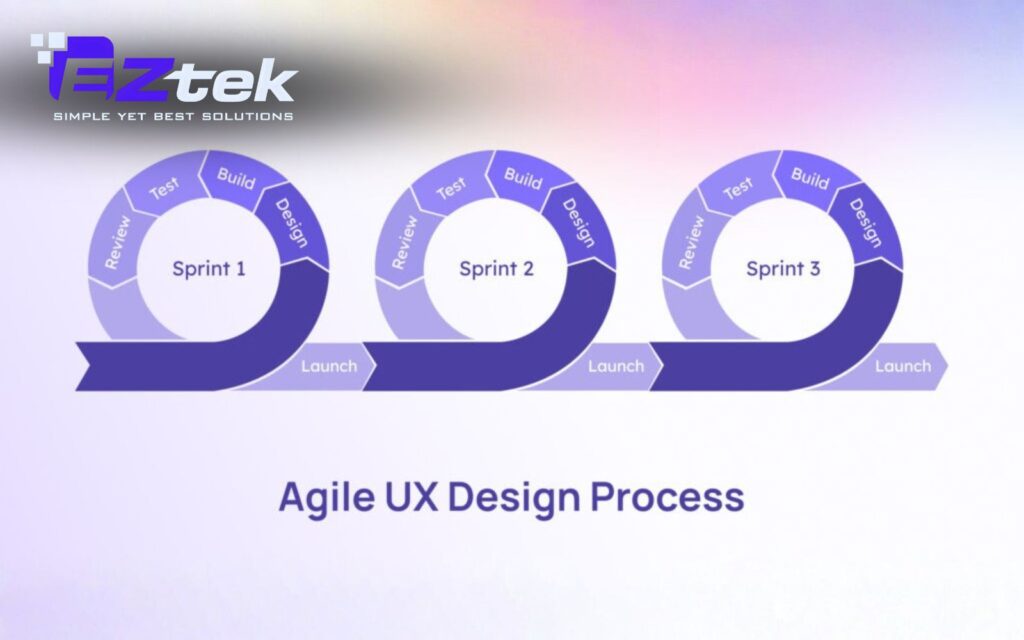
By focusing on an evolutionary path, Agile allows teams to gather user feedback after every iteration. This ensures the product remains adaptable to market changes without the financial burden of a fixed-scope overhaul. It effectively “tames the change,” making it one of the most efficient types of design methodologies for modern software.
Lean Design Methodology
The Lean approach is built on the principle of eliminating waste and maximizing value. At its heart is the concept of the Minimum Viable Product (MVP). Instead of over-engineering every possible feature, teams prioritize the “Most Valuable Features” essential for business success and user satisfaction.
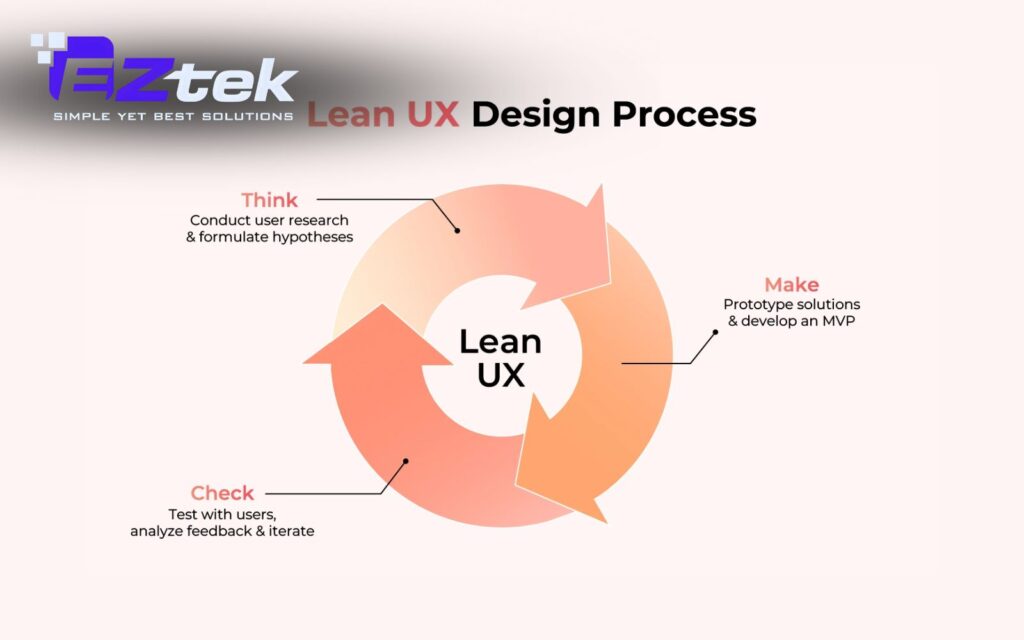
By adopting this UX design methodology, teams follow a “Build-Measure-Learn” cycle. They launch a basic version of the product to validate hypotheses with real data quickly. This ensures that resources are only invested in features that solve actual customer problems, making it a favorite for startups and fast-paced environments.
Design Sprint Methodology
Originally developed by Google Ventures, the Design Sprint is a time-bound, five-day process used to validate ideas and solve critical challenges. It compresses the standard design cycle into a single week through a structured sequence: understand, sketch, decide, prototype, and validate.
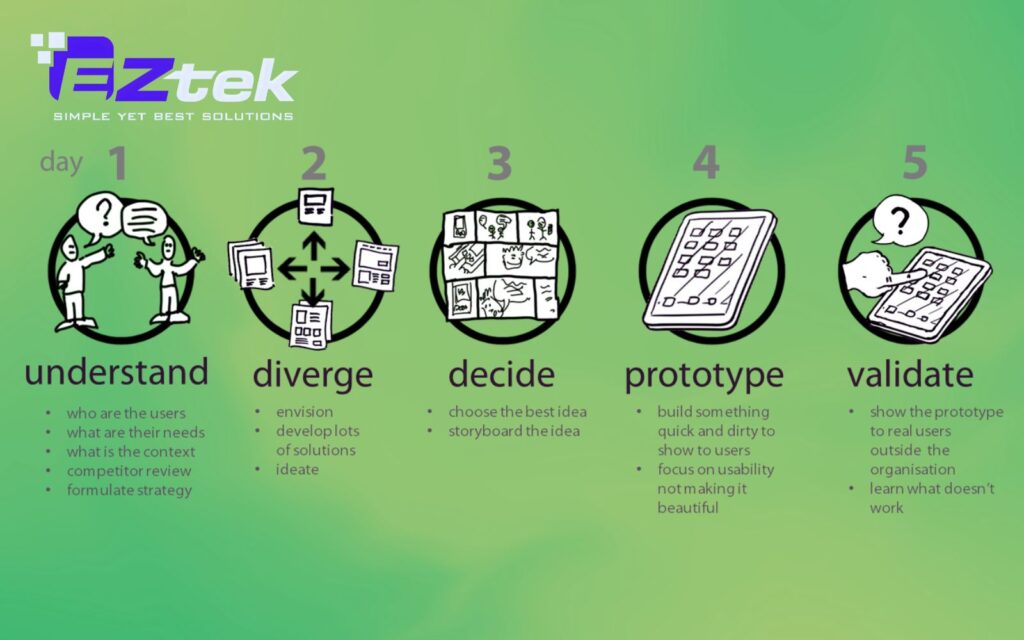
This methodology is highly effective for aligning team visions and setting clear objectives in a short window. Because a prototype is tested with real users by the final day, it provides immediate insights. While the duration and specific tasks can be adapted, the core requirement remains the same: the process must conclude with user testing to be considered a true Design Sprint.
Design Thinking
Design Thinking is a deeply human-centered UX design methodology that tackles complex, ambiguous problems by prioritizing empathy. It encourages teams to challenge assumptions and reframe obstacles as opportunities for innovation.
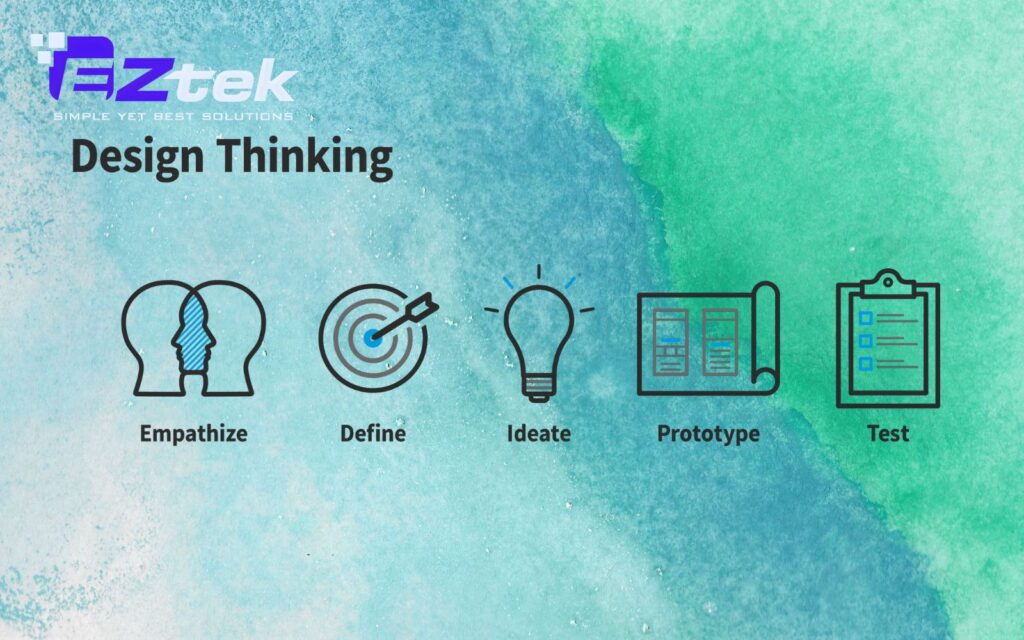
The process typically follows five key stages:
- Empathize: Researching and observing users to understand their pain points.
- Define: Articulating the core problem based on user insights.
- Ideate: Generating a wide range of creative solutions.
- Prototype: Creating low-fidelity versions of ideas to explore possibilities.
- Test: Evaluating those solutions with actual users to refine the outcome.
Design Methodology Architecture in UX Design
In UX design, architecture focuses on how information and interactions are structured within a digital product. Often referred to as information architecture, this discipline is concerned with organizing content, shaping navigation paths, and helping users quickly understand where they are and how to find what they need.
Design methodologies architecture plays a critical role in building this structure. By applying the right design methodologies, UX teams can plan, test, and refine interface frameworks based on real user behavior rather than assumptions.

Different design methodologies in UX UI design support architecture in distinct ways:
- Design Thinking helps reveal how users naturally group and interpret information, often through research techniques such as card sorting during early discovery phases.
- Frameworks like Double Diamond encourage teams to explore multiple IA and navigation concepts before narrowing down to the most intuitive solution.
- Lean and Agile UX enable rapid testing and iteration of sitemaps, onboarding flows, and menu structures, allowing teams to respond quickly to feedback.
A well-defined design methodologies architecture ensures consistency across screens, supports product scalability, and creates a logical, predictable user experience, especially in complex websites or large-scale applications. To achieve this, UX teams commonly use tools such as card sorting, sitemaps, tree testing, flow diagrams, and user journey maps as part of their structured design process.
EZTEK Software – Your Trusted Partner for UI/ UX Design
Choosing the right design methodologies is a complex task that requires deep expertise and a strategic mindset. At EZTEK Software, we pride ourselves on being a premier provider of professional UI/UX Design services, helping businesses transform abstract ideas into world-class digital products.
Our team leverages the most effective design methodologies in UX UI design to create interfaces that are not only beautiful but also highly functional. Whether your project demands the speed of Lean UX or the deep empathy of Design Thinking, we tailor our approach to meet your unique business goals. By partnering with EZTEK, you gain access to a dedicated team committed to excellence, innovation, and user-centric success.
Partner with EZTEK Software to turn complex ideas into intuitive, user centered digital experiences that deliver real business impact. Our UI UX design team applies proven design methodologies to help you build products that are scalable, engaging, and ready for long term growth.
- Phone: 0918 655 003
- Mail: [email protected]
- Address: 2nd Floor, Halo Building, 60 Nui Thanh street, Tan Binh ward, HCMC, Vietnam
Understanding and applying the right design methodologies is essential for creating user experiences that are not only visually appealing but also functional, scalable, and aligned with real user needs. Each methodology offers a unique approach to solving design challenges, and choosing the right one can significantly improve both product quality and team efficiency. Start applying proven design methodologies today and let EZTEK Software help you build impactful, user centered digital products with confidence.